
Exploring Technology, One Line of Code at a Time

Month: April 2025

Assignment 1 (3 of 4): Learning to Build Logic – My First Step Toward Real Python Applications

This week felt like a breakthrough. I went from just “writing code” to actually thinking about how to design a program that interacts with users and makes real decisions.

What’s new for me: I explored Python dictionaries, control flow, and input-driven logic – all of which helped me understand how to manage and organize data in a real-world-like system.

Learning About Dictionaries

Until now, I’d only used lists or variables to store information. But this week, I learned how powerful dictionaries can be. They let me store multiple pieces of data with named keys – perfect for managing student records.

I can now:

  • Store multiple students and their grades
  • Access and update any student’s record instantly
  • Loop through the entire structure for analysis

It’s clean, efficient, and it makes sense for how we store real data.

Using Functions to Organize the Program

Next, I learned to build functions that do one task at a time. For example, here’s a simple function that calculates the average:

And one to add a new student:

Now I’m thinking in reusable code blocks, not just linear scripts. That feels like a major upgrade in my thinking!

Building a Simple Menu with Input

I also tried building a menu system so users can interact with the program. Here’s what I practiced:

This gave my program a real feel, like an actual app where the user can make choices. It also showed me how control flow works – which is key for making responsive, flexible tools.

Final Takeaway: New Tools, New Mindset

These are all new concepts to me, and they’ve changed the way I think about coding:

  • Dictionaries = fast and clear data organization
  • Functions = reusable blocks for cleaner logic
  • Input & control flow = interaction with users

I now feel more confident thinking about building something bigger – like a Student Grade Tracker – because I have the building blocks.

Bringing It All Together: Small Project Idea

The Student Grade Management System

Here’s what the system will be able to do:

1. Add a new student

2. Add grades to a student

3. Calculate a student’s average

4. Show top student(s)

5. Search for a student by name or ID

6. Save and load data from a file

7. Optional: Delete a student
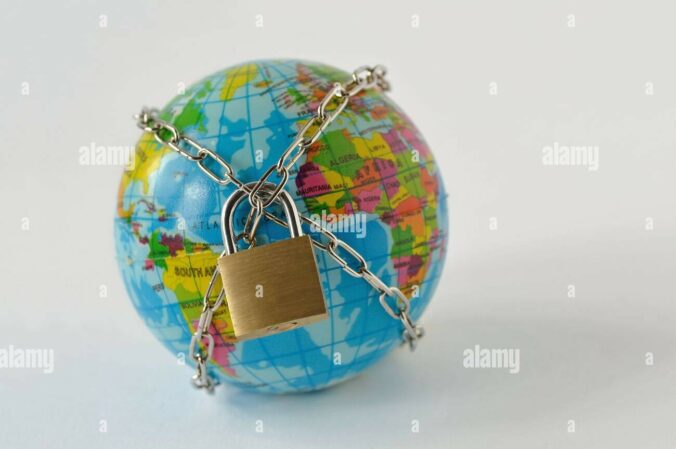

Week 9 Reflection – Data Ownership, Ethical Considerations, and Cybersecurity

This week’s exploration of data ownership and cybersecurity brought us deep into some of the most significant issues that are defining our digital world. From discovering the responsibility of the holders and custodians of our data, to listening about the growing challenges in safeguarding it, this week’s guest speakers and readings made me appreciate the significant ethical considerations we must all grapple with.

Data Ownership and the Power Struggles

Dr. Bonnie Stewart’s talk was remarkable in outlining how datafication, the process of converting personal information into data, has altered the practice of privacy within organizations. But who really owns information on you? Are they the companies that collect it, the people whose data it is, or the governments that determine its use?

As we get more digital, data is turning into one of the most valuable things. Companies collect huge amounts of data every day: from your shopping habits to your search history, even where you physically are. In exchange, they often provide services “for free” – but at what cost?

I began to question the morals of it all: How much control do human beings have over their own data? Do they have any sort of control as to what can be done to it once collected?

  • Who gains? It is mainly corporations and governments that benefit from this information.
  • Who loses? The user, often never knowing how his or her private data is being commodified, or worse yet, sold or stolen.

It made me reflect on my own web presence and whether I am aware of how much data I generate, and more importantly, who has access to it.

Cybersecurity: Defending Data in the Age of Digital Threats

Next, we heard Wency Lum, UVic’s Associate Vice-President of University Systems, provide some informative insight into cybersecurity. Cybersecurity is no longer an afterthought – it is a necessity.

The internet is full of risks: viruses, hackers, data breaches, and even the risk of identity theft. With our lives increasing entwined with technology, it is imperative that we guard our sensitive and personal data. Wency Lum’s insights on how we can better protect ourselves were especially helpful, including:

  • Encryption of data and communications: Encryption of your data means that even if intercepted, it cannot be read.
  • Secure passwords: Using multi-factor authentication and creating unique passwords for different accounts.
  • Phishing awareness: Being cautious of suspicious websites, links, and emails.

I realized that data protection is not just the job of companies we users also have to be vigilant. The more I read, the clearer it became that cybersecurity is a two-way street, with the tech companies and us, the users, both being responsible.

Ethical Dilemmas and Digital Privacy: A Balancing Act

Amidst all these debates, I was surprised by the ethical questions of data ownership and cybersecurity. On the one hand, there’s the imperative for companies to make money off data; on the other, there’s the growing need to protect individuals’ rights and privacy.

In today’s world:

  • Companies are left with the burden of weighing profit and privacy.
  • Governments are interested in passing better data protection laws (the GDPR is a notable case in point in Europe).
  • We consumers must learn and understand how valuable our own digital footprint is.

Final Thoughts: Data Ethics and Security in a Connected World

In the age of constant information generation, the boundaries of what is acceptable are changing. Ownership of data and cybersecurity concerns are now at the forefront of digital rights discussions, and everyone from individuals to governments has a stake in protecting the flow of information.

As I find out more about these concerns, I realize that ethical use of data has to be a guiding principle in all online interactions. Whether I am signing up for a service, shopping online, or talking to people digitally, I need to be more cognizant of the data I generate and send.

  • Will I be more careful about sharing my personal information? Absolutely.
  • Will I practice better cybersecurity habits, like using stronger passwords and encrypting sensitive data? Definitely.

What’s Next?

Looking forward, I’ll continue exploring ways to stay secure online, protect my privacy, and ensure that the data I share is used ethically. It’s no longer just about being cautious, it’s about understanding how my digital footprint impacts not just me but the world around me.

© 2026 Rushi

Theme by Anders NorenUp ↑